
 Elie and I have been arguing pretty heatedly, and we decided to put our argument online so you all can weigh in if you’d like. The topic is a bit dry, but absolutely essential, and a question that anyone interested in donating can answer. Here’s the question:
What should our Round Two application cover, or, how do you evaluate a mammoth charity?
Background: Our Round One app avoided this issue neatly, by asking each charity to focus on a single program of its choice. The goal was to narrow the field to the charities that are good at documenting what they do; before we ask who’s best at saving lives, for example, we need to make sure we’re dealing with charities that can give us some idea of what they did and how many lives they likely saved. But for Round Two, we can’t be so narrow: we really need to know who’s going to use our money to do as much good as possible. And when a charity has vast array of different programs in different countries (as so many Africa charities do), how can we figure out how good they are, without spending years on the app?
I want one approach; Elie wants another. Here we go – turn off that baseball game and watch the sparks fly on the GiveWell Blog, where ideas fight to the death!
 Holden and I have been reviewing applications for
  Thanks to all who participated in the
  Yesterday was an important day for a couple reasons:
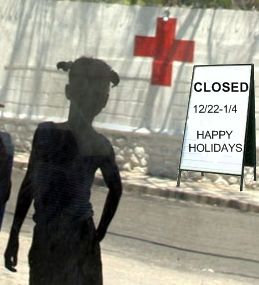 One of the things I hate most is, for lack of a better term, is “badness.” I’m talking less about “evil” than general incompetence and failure: things that make no sense for no good reason. Well, I don’t just hate this – I can’t stand it. I can’t stand that thousands of children die everyday because they don’t have a $5 net under which to sleep, a 5 cent pill when they contract diarrhea, or other similarly inexpensive items that you or I take for granted.